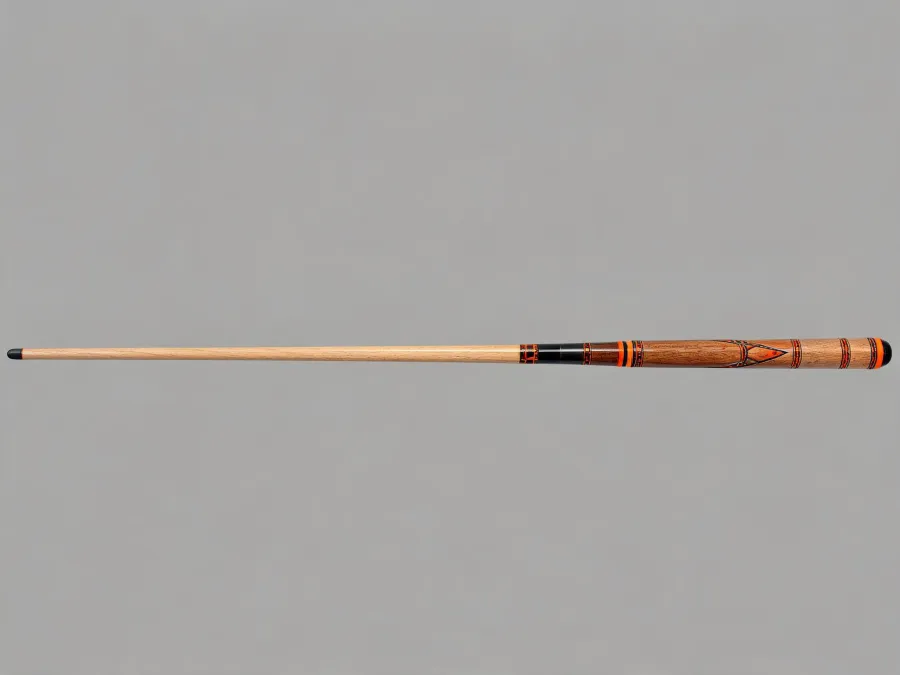
Performance Cues
Balanced butt geometry and shaft pairings for frequent league or tournament play.
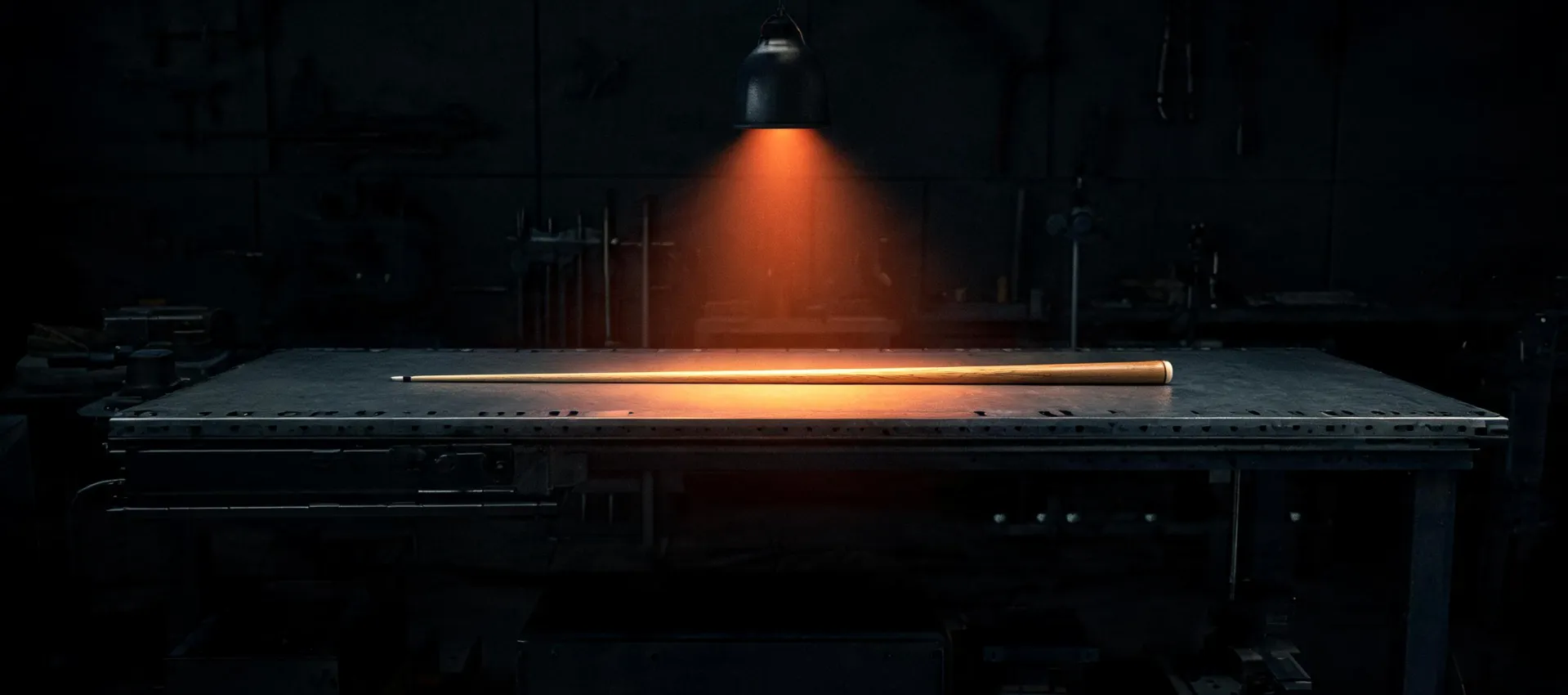
Cue architecture, stated plainly
Compare shaft construction, taper behavior and play context before selecting a cue.
Two-column compare
| Selection point | Solid maple shaft | Carbon composite shaft |
|---|---|---|
| Feedback | More wood vibration and familiar acoustic response | Lower vibration variation between climate conditions |
| Maintenance | Clean dry; avoid rapid humidity shifts | Wipe clean; inspect joint and tip routinely |
| Best fit | Players prioritizing traditional feel | Players prioritizing dimensional consistency |
| Trade-off | Wood movement varies with storage environment | Feel differs from natural maple and costs more |
Three-column catalog
Balanced butt geometry and shaft pairings for frequent league or tournament play.
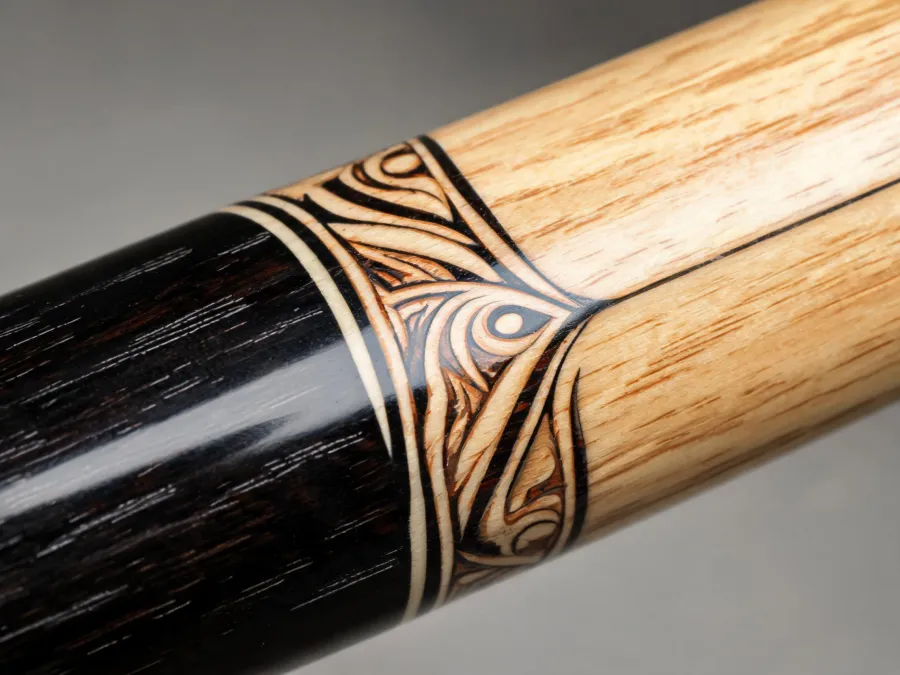
Decorative inlays and recognizable series cues for collectors who still expect table performance.
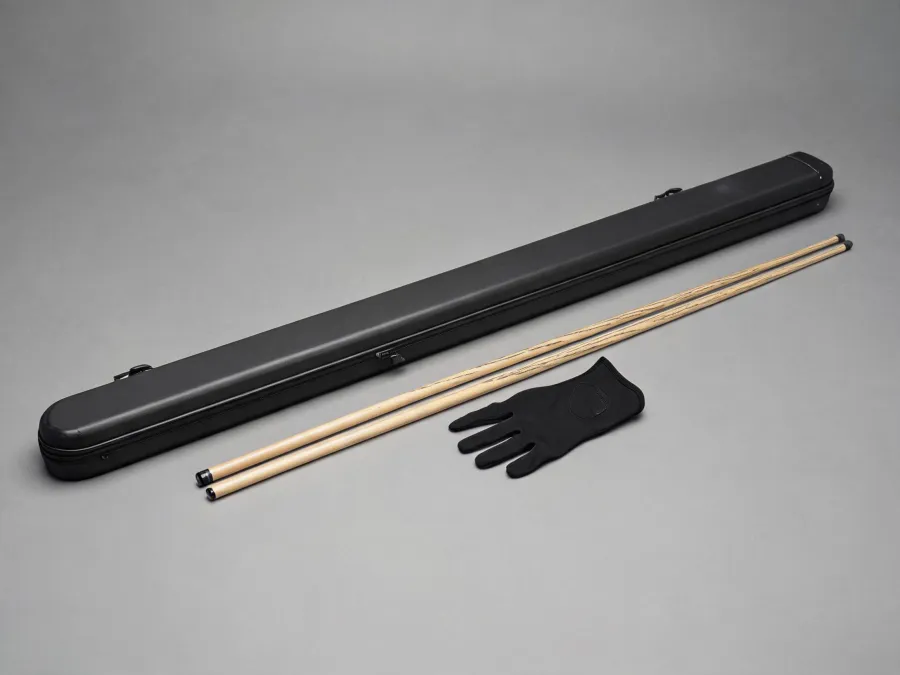
Replacement shafts, gloves and cases selected by joint, diameter, protection and travel needs.
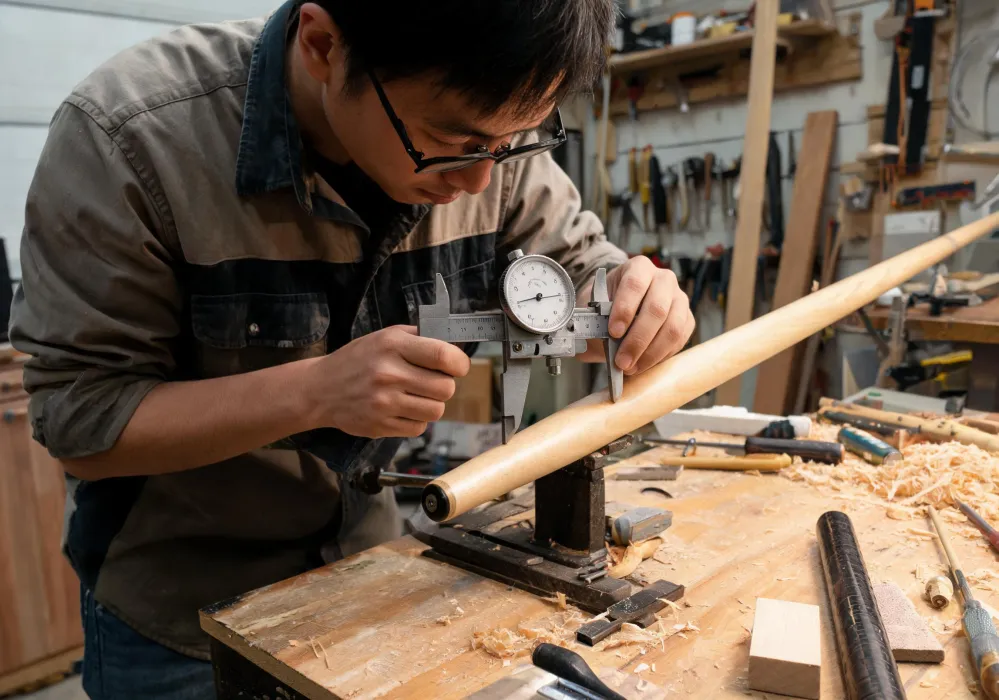
Geometry
Shaft diameter, taper length, ferrule mass and tip condition work together. A smaller tip is not automatically lower deflection, and a stiff shaft is not automatically more accurate.
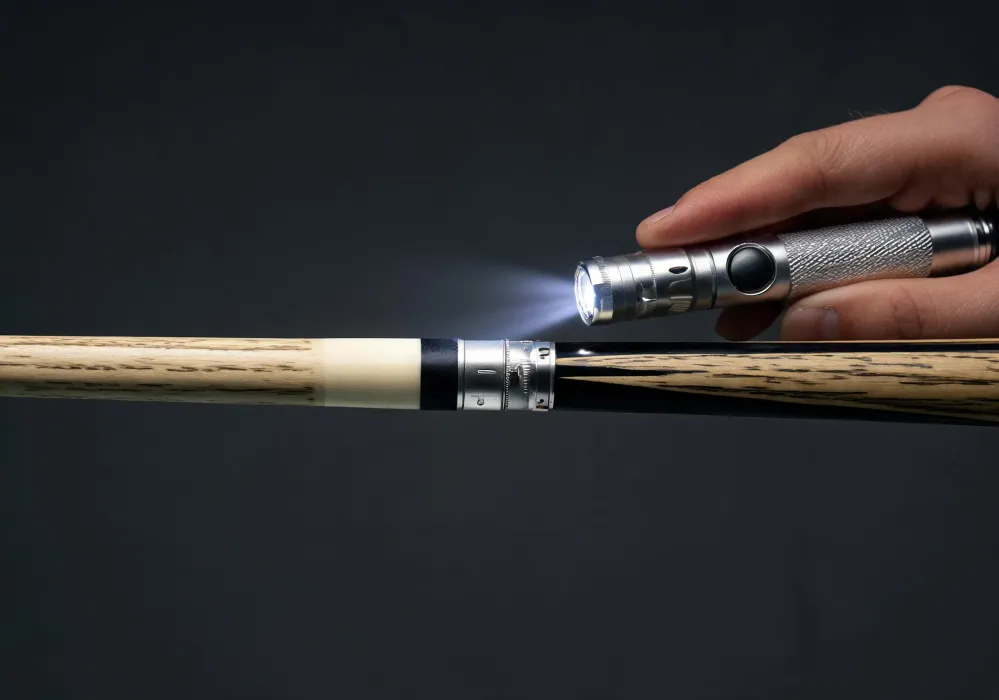
Fit
Inspect pin threads, collar contact and straightness before blaming the shaft. A contaminated or damaged joint can create audible movement and inconsistent alignment.
Verification path
Approval depends on the exact product and event rulebook; request current documentation before specifying tournament use.
We will narrow the cue, shaft and case specification without turning the first conversation into a sales pitch.